Middle East HSE Training

Practical HSE training courses, certification practice and useful guides for workers, supervisors and site teams in Middle East work environments.

Country pathwaysSelect your country below for specific training information, guidance and course pathways.

Default pathway

Saudi Arabia Training Pathway

This Middle East training page shows the Saudi Arabia pathway by default. Use the country pathway bar above to open other country pages.

Main Courses β†’

Rigger Certifications

Preparation for Rigger I, Rigger II and Rigger III knowledge areas, including load control, signalling, lifting plans and rigging safety.

Permit to Work Certifications

Preparation for permit receiver and permit issuer responsibilities, including permit conditions, joint site checks, isolations and close-out discipline.

Free study support

Free Saudi Aramco HSE Officer Exam Training

Use this free study section to prepare for common HSE officer exam-style topics such as hazard identification, permits, PPE, emergency arrangements, incident reporting, inspections and basic safety responsibilities.

This is independent study support and should not be presented as official Saudi Aramco approval, certification or authorisation.

Start Free Training β†’

Core training

Middle East HSE Courses

These common Middle East course topics are shown across all country pathways.

HSE Foundation Training

A practical foundation course covering site rules, hazard reporting, basic controls, safe behaviours, PPE expectations and emergency discipline.

View Course β†’

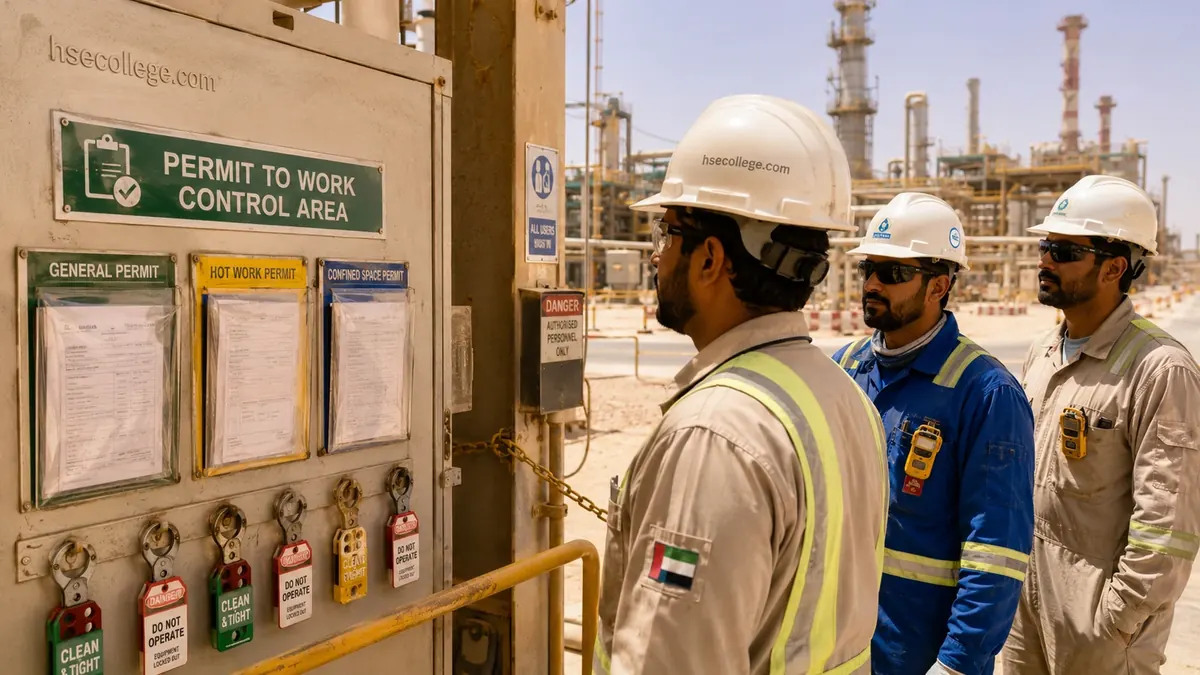
Permit to Work Training

Training on permit controls, work authorisation, isolations, gas testing interface, job communication, suspension and close-out.

View Course β†’

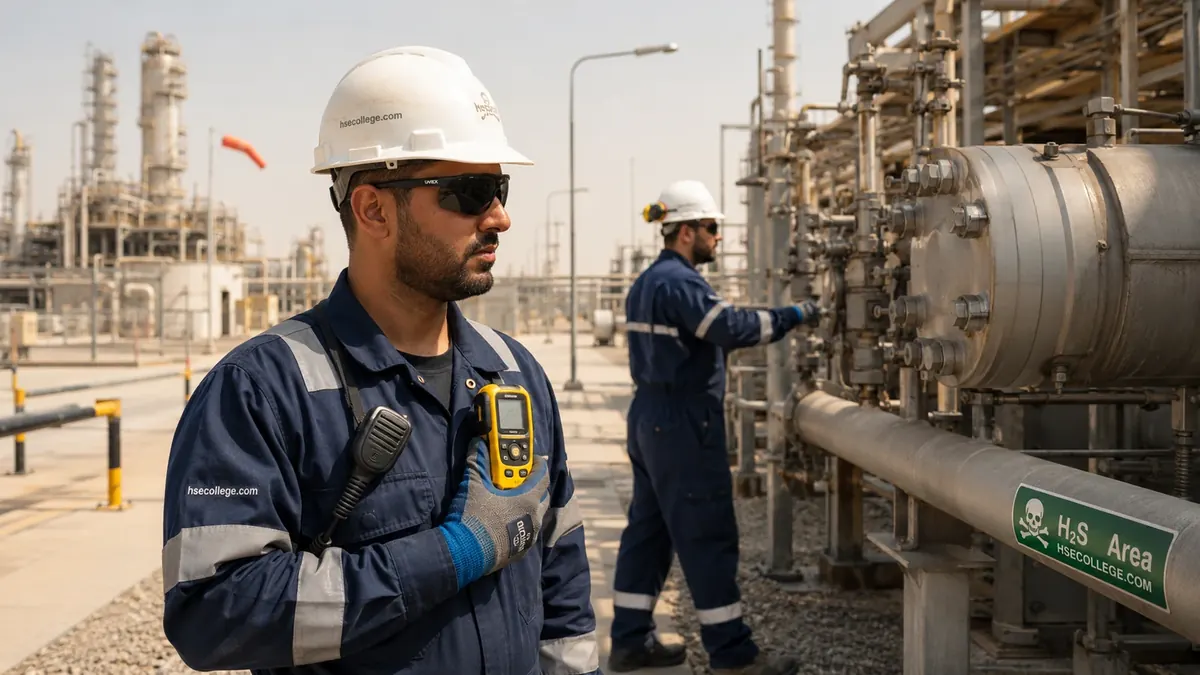
Oil & Gas Safety Training

A focused course covering process area discipline, ignition control, emergency response, restricted areas and safe work expectations.

View Course β†’

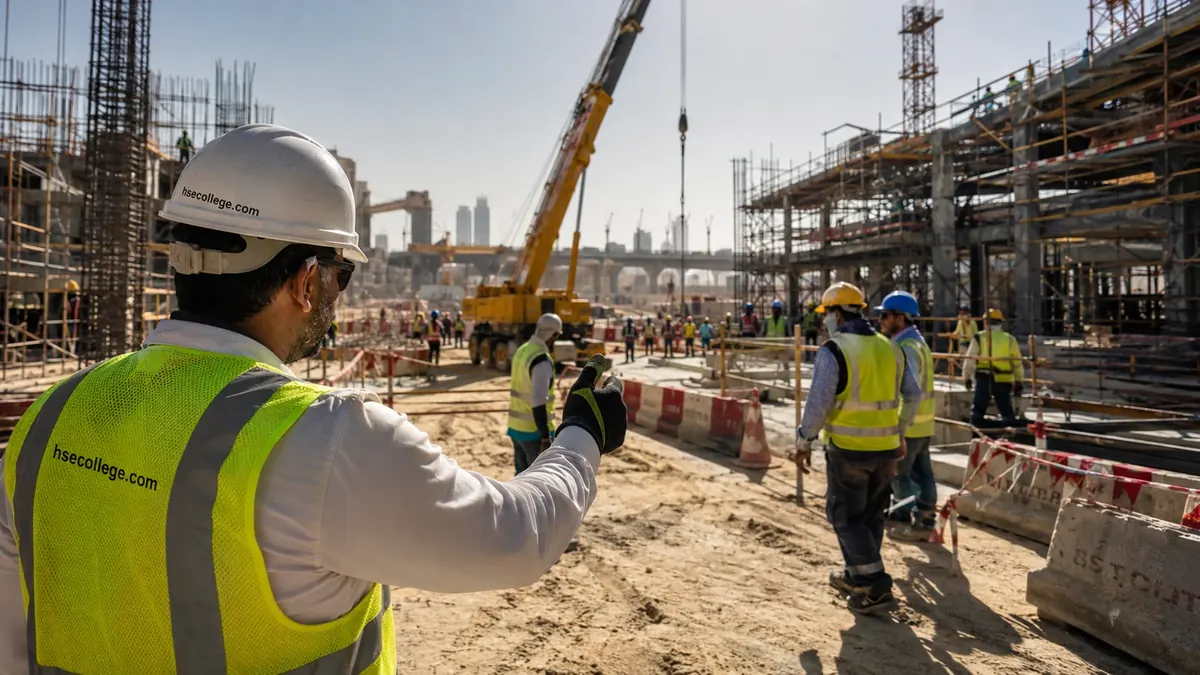
Construction Safety Training

Practical construction safety training covering access, work at height, lifting operations, excavations, temporary works and housekeeping.

View Course β†’

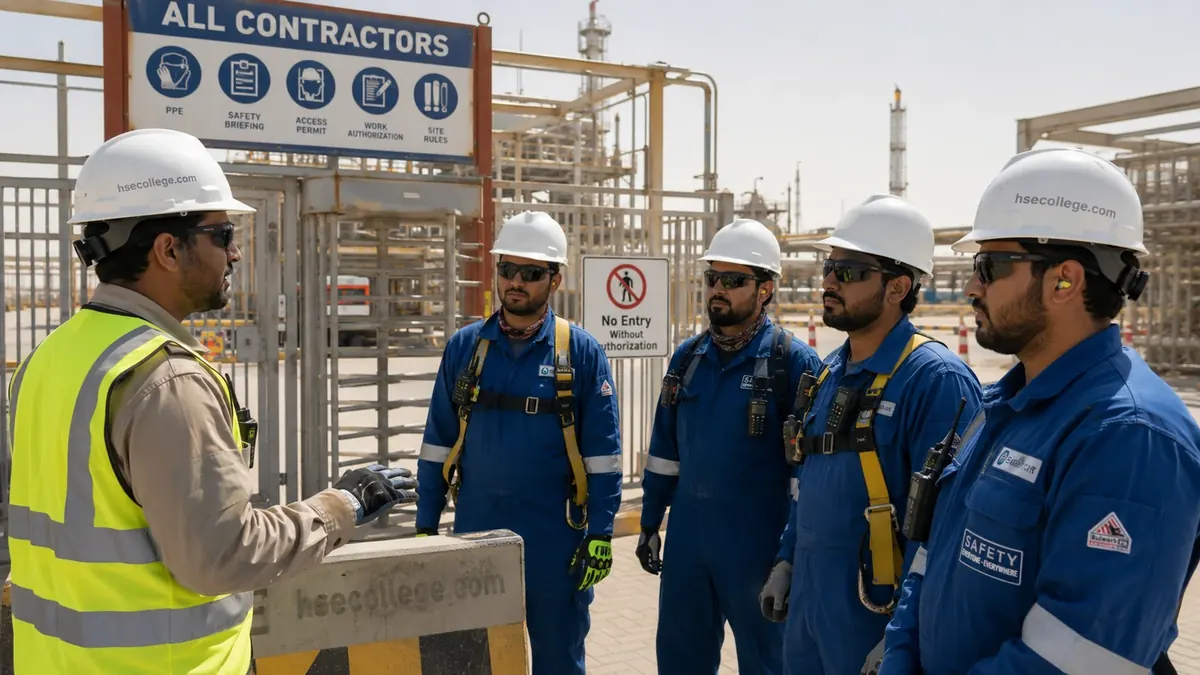
Contractor Safety Training

Training for contractor teams covering site entry, supervision, permits, communication, reporting, intervention and control of high-risk work.

View Course β†’

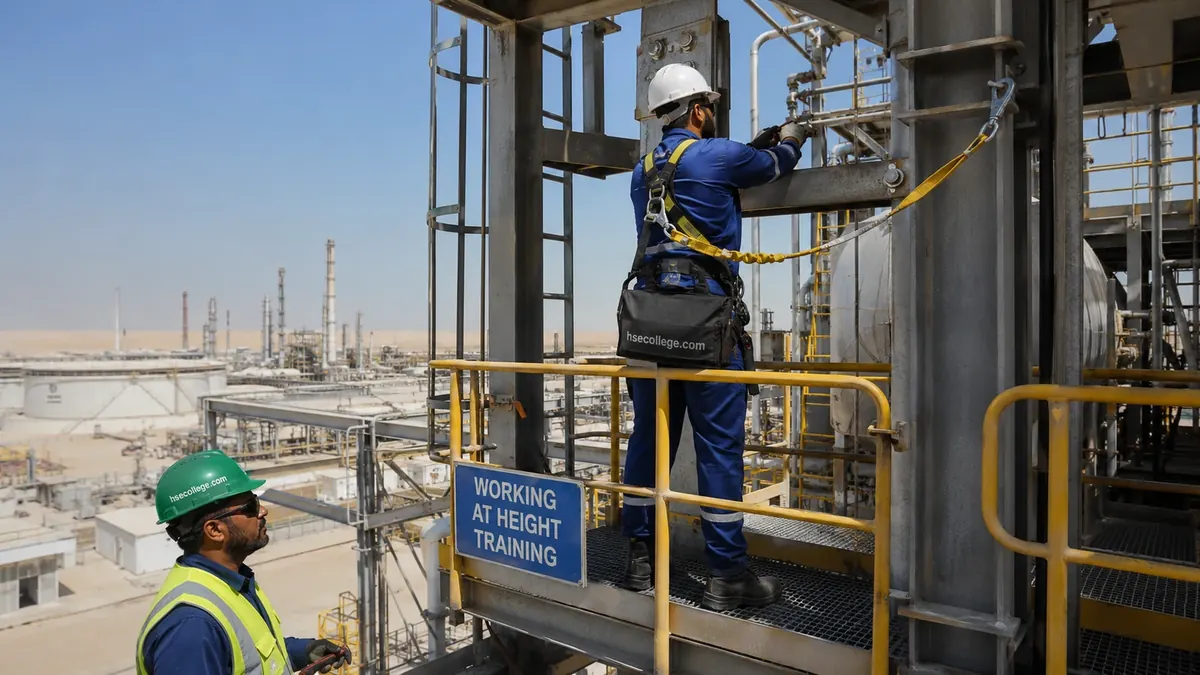
Work at Height Training

Training on planning work at height, access equipment, fall prevention, inspection requirements, rescue planning and unsafe-condition reporting.

View Course β†’

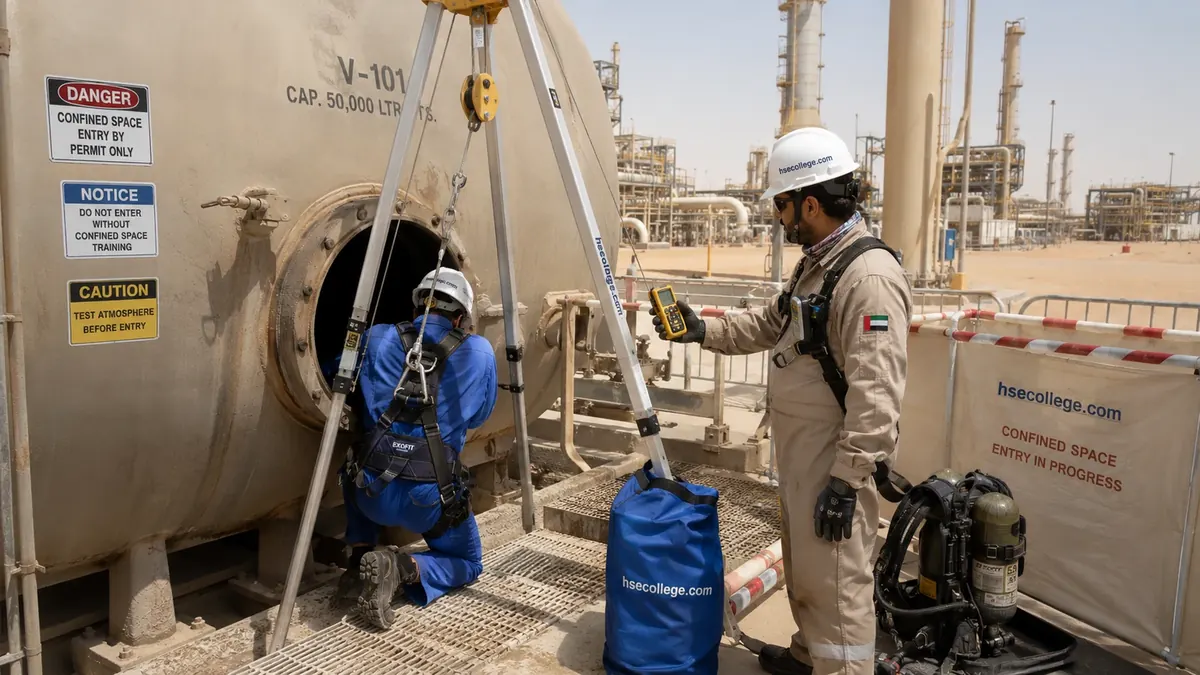
Confined Space Training

Training on confined space hazards, entry controls, atmosphere testing, ventilation, attendant duties, permits and emergency rescue planning.

View Course β†’

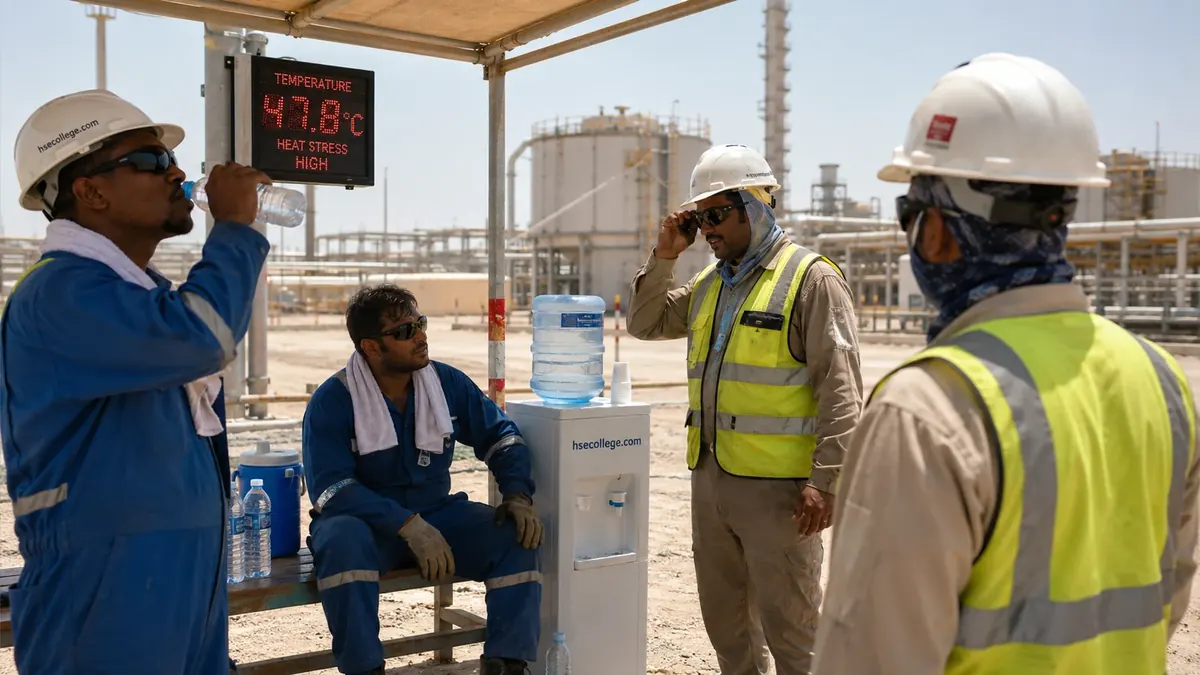
Heat Stress Management Training

Practical training on heat stress risk, early symptoms, hydration, shaded rest, acclimatisation, supervisor checks and emergency response.

View Course β†’

Stop Work Authority Training

Training on when to stop unsafe work, how to communicate the concern, escalation routes and restarting only when controls are confirmed.

View Course β†’

Site Safety Inspection Training

Training on inspection planning, hazard spotting, recording findings, assigning actions and following up corrective actions.

View Course β†’

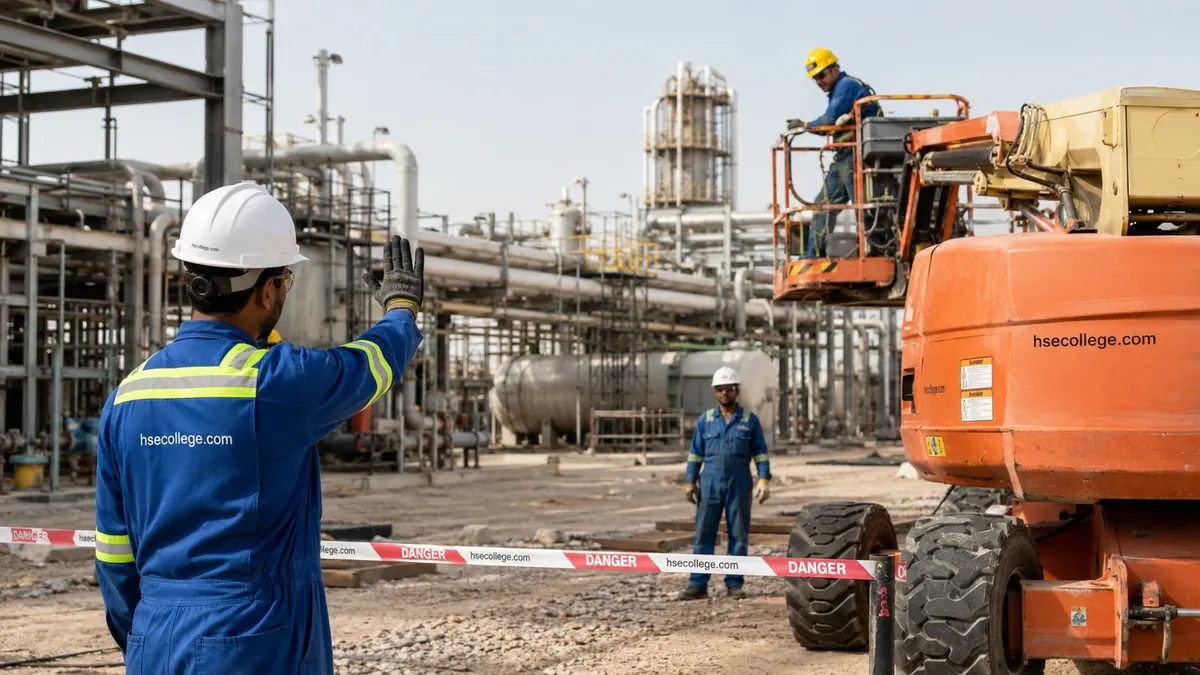
Lifting & Rigging Safety Training

Practical training on lifting activity planning, exclusion zones, load control, communication, sling checks and common rigging hazards.

View Course β†’

Scaffolding Safety Training

Training covering scaffold access, tagging, inspection status, platform hazards, fall prevention and user responsibilities.

View Course β†’

Useful guides

Middle East HSE Blog Guides

Free guide articles are kept separate from paid course pages.

View Guides β†’

Middle East HSE Guide

A practical blog guide to common HSE expectations used across Middle East contractor and site environments.

Read Guide β†’

Permit to Work Guide

A useful blog guide explaining how permit to work systems help control higher-risk activities.

Read Guide β†’

Oil and Gas Safety Guide

A practical blog guide to common oil and gas safety topics such as restricted areas, ignition control and emergency discipline.

Read Guide β†’